Exploring the Gannel & Crantock
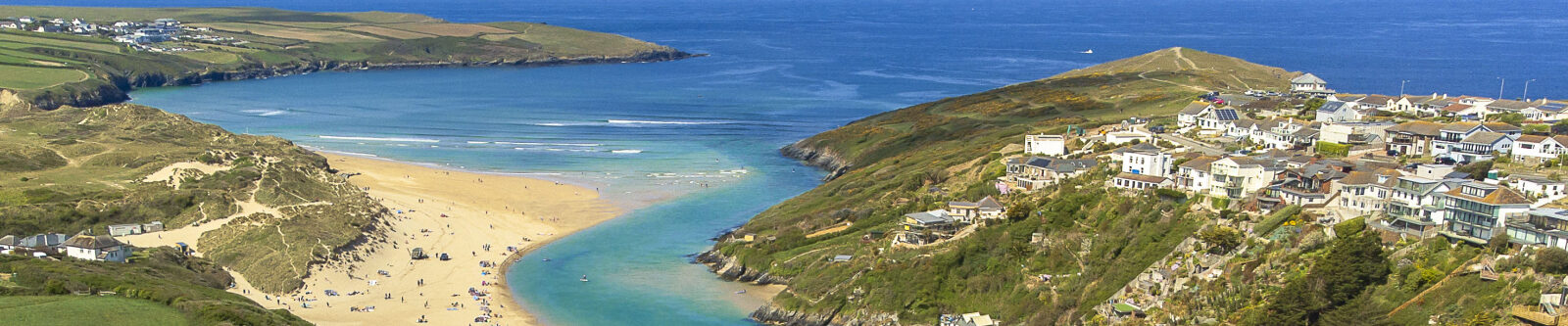
Just beyond the bustle of Newquay, the River Gannel winds its way towards Crantock Beach, creating one of the most beautiful and ever-changing landscapes on this part of the North Cornish coast.
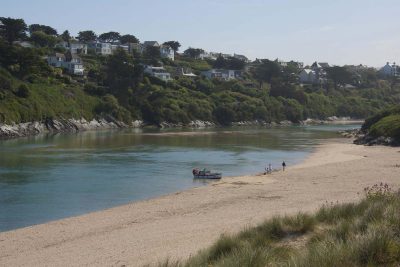
At high tide, the Gannel is a broad stretch of water separating Newquay from Crantock. As the tide retreats, the landscape changes dramatically, revealing huge expanses of golden sand and shallow channels of clear water. It’s a wonderful place for a walk, a paddle or simply to stop and enjoy the view.
Walking the Gannel
One of the best ways to experience the Gannel is on foot. Paths run alongside the estuary and, around low tide, designated tidal footbridges allow walkers to cross the river and continue towards Crantock. The South West Coast Path also passes through the area, opening up the possibility of a longer walk along the coast.
The tide is very much part of the experience here. Crossings disappear beneath the water as the tide comes in, so always check the tide times before setting out and use the designated crossings rather than attempting to wade through the river.
Good to know: The little ferry from Fern Pit to Crantock is a summer service rather than a year-round crossing. It usually operates from May until the tides change in mid-September. Please check timetable in advance.
Stop at Fern Pit
On the Pentire side of the estuary, Fern Pit Beach Kitchen occupies a wonderful position overlooking the Gannel and Crantock Beach.
It’s a particularly good place to stop for breakfast, coffee or lunch while taking in the view – and Fern Pit is well known locally for its crab sandwiches. The Beach Kitchen is usually open March to October.
On to Crantock
Follow the Gannel towards the sea and the estuary opens out onto Crantock Beach, a sweeping stretch of golden sand backed by dunes.
There’s plenty of space for a beach walk and the South West Coast Path continues around the headland towards West Pentire and beyond. The area behind the beach is also particularly good for wildlife, with the Gannel providing an important habitat for wading birds including curlews and oystercatchers.
For anyone interested in a little local history, the peaceful estuary looks very different today from its working past. The Gannel was once dredged so that schooners and barges could travel upriver carrying cargo including coal, timber and sand. Reminders of that industrial history can still be found around the estuary, including a ruined limekiln at Penpol Creek.
A few things to know before you go
The Gannel is beautiful, but its tidal nature means a little planning makes all the difference. Check tide times before setting off, particularly if your walk involves crossing the estuary. The river can also create strong currents where it meets Crantock Beach, so follow local safety information and only swim in designated areas when lifeguards are on duty.
For Crantock itself, there is a National Trust car park close to the beach. Alternatively, exploring from the Newquay and Pentire side makes it easy to combine the Gannel with a walk and a stop at Fern Pit.
Staying nearby
The Gannel and Crantock are within easy reach of our accommodation in Porth, Newquay, making this a lovely place to discover during a few days on the North Cornish coast.
EXPLORE PLACES TO STAY →
Porth Sands
The Beach House
Porth Veor Villas & Apartments
Waterwitch Cottage
Sandpiper Cottages
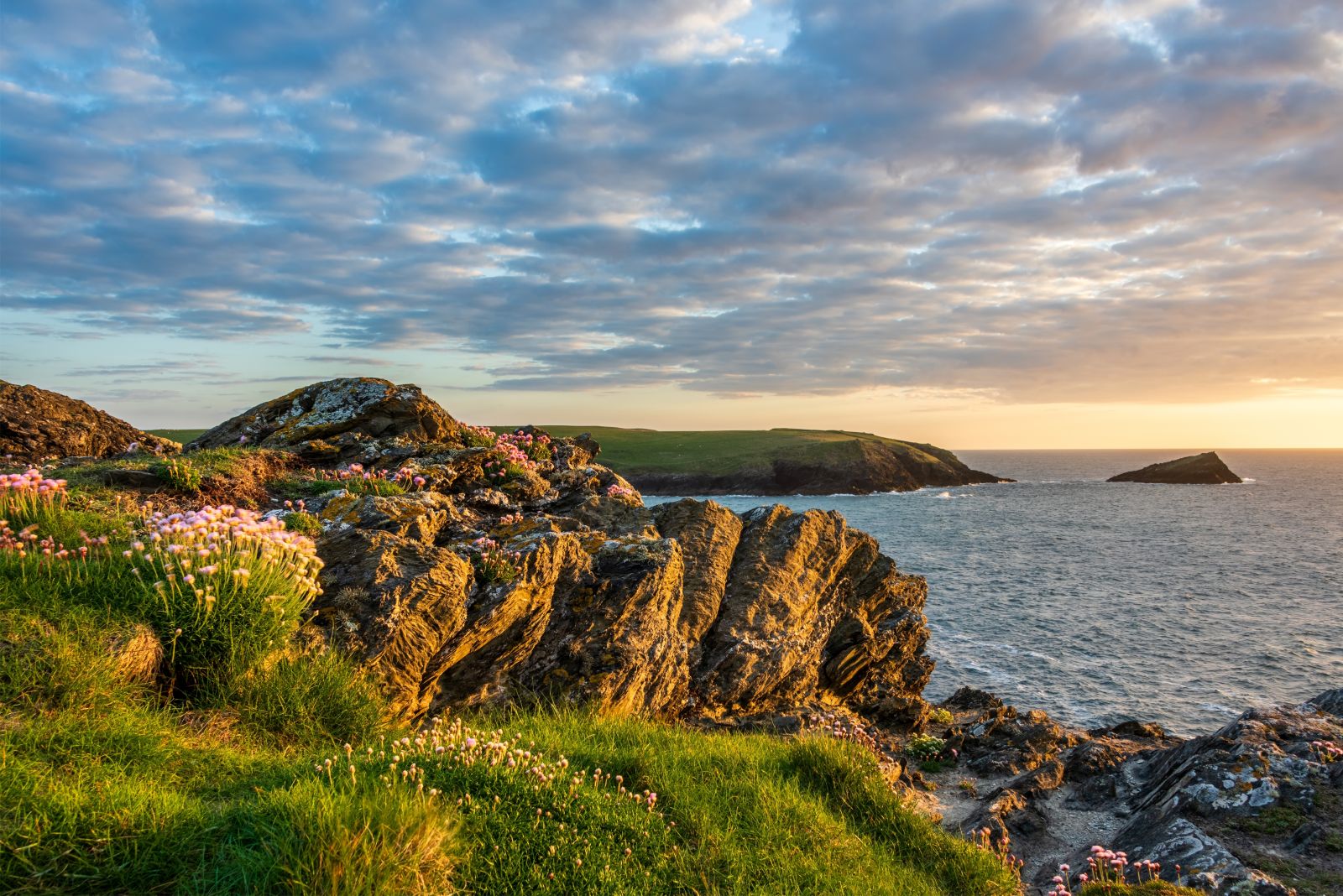 Pentire headland
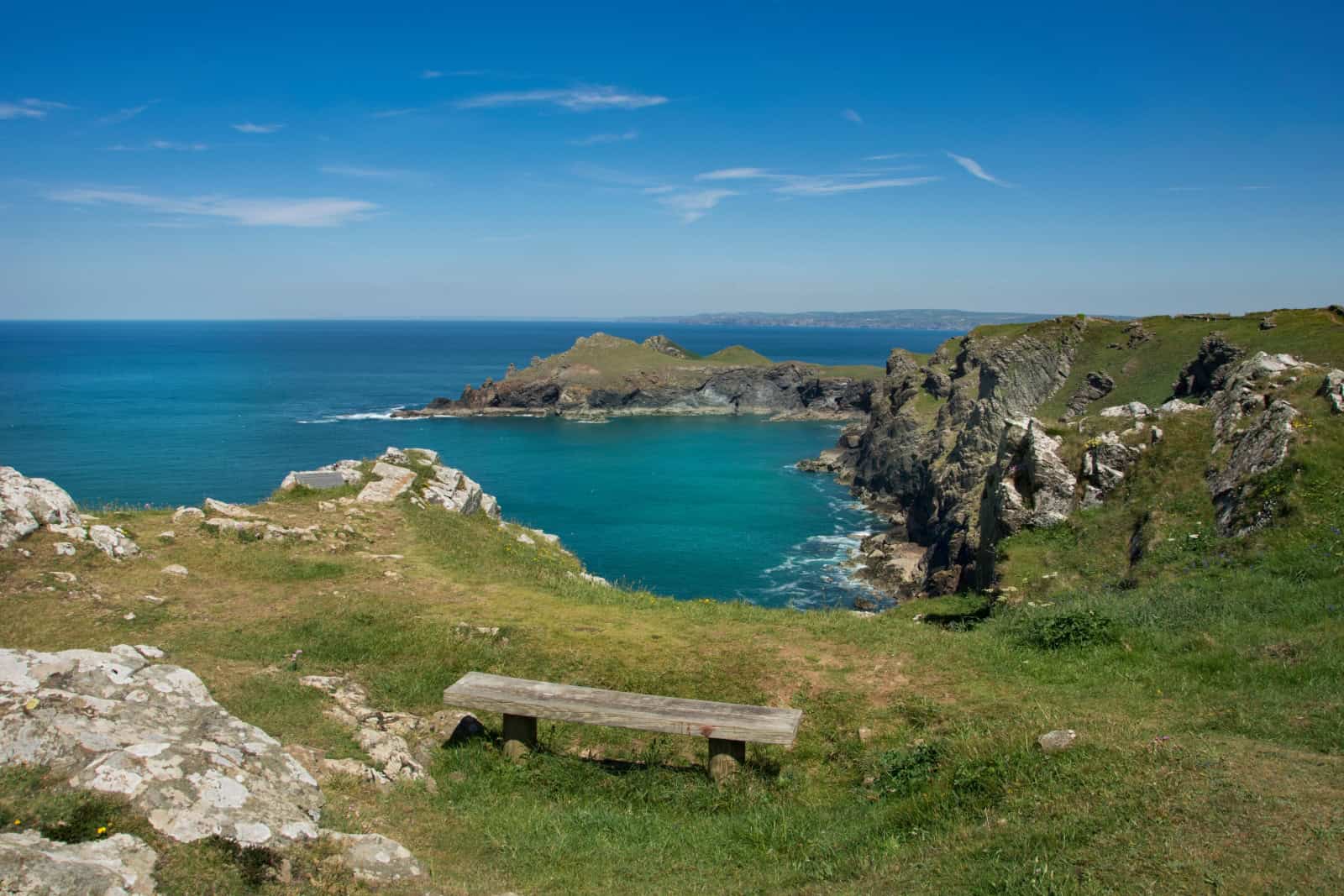 Pentire point and the rumps
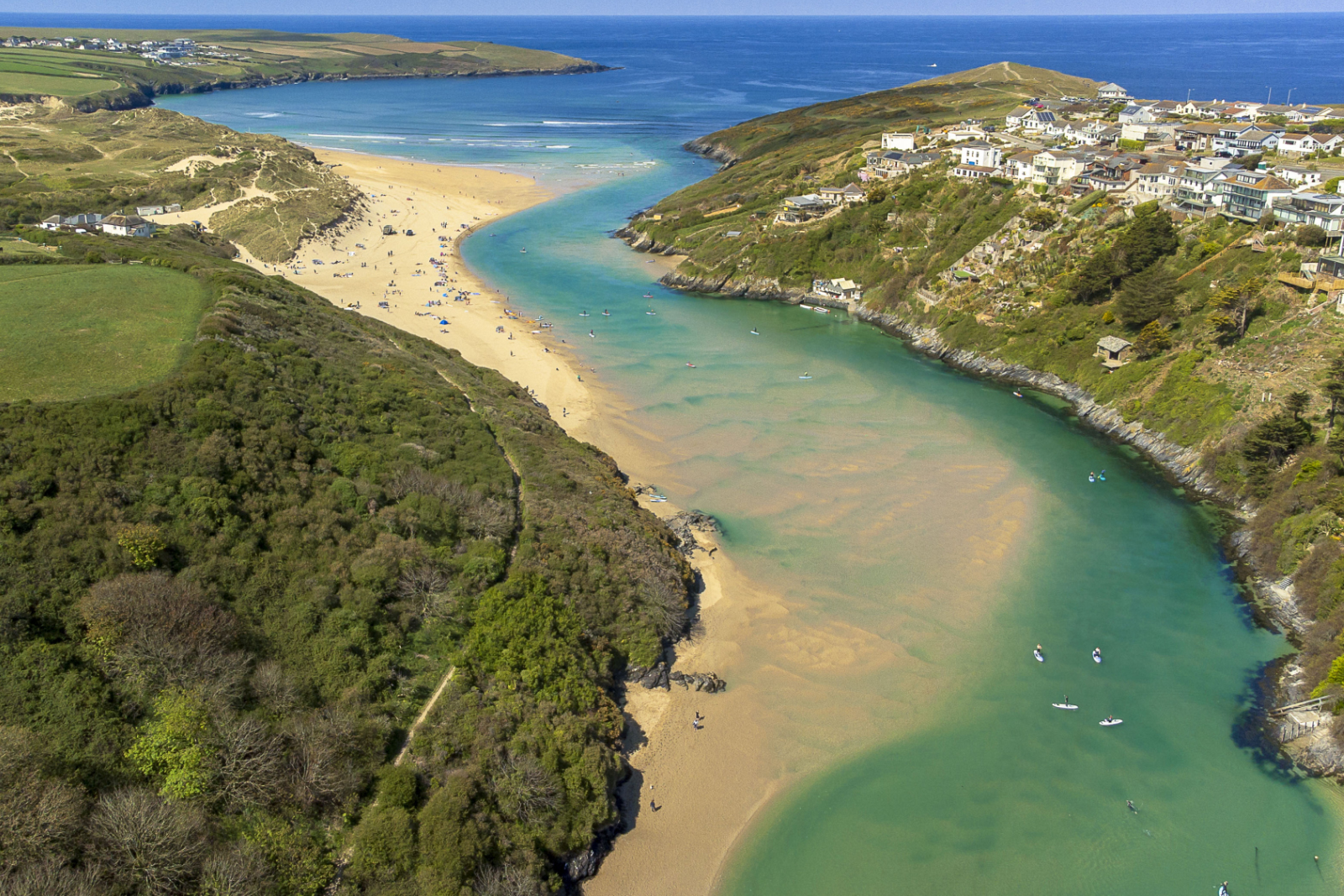 The Gannel Estuary
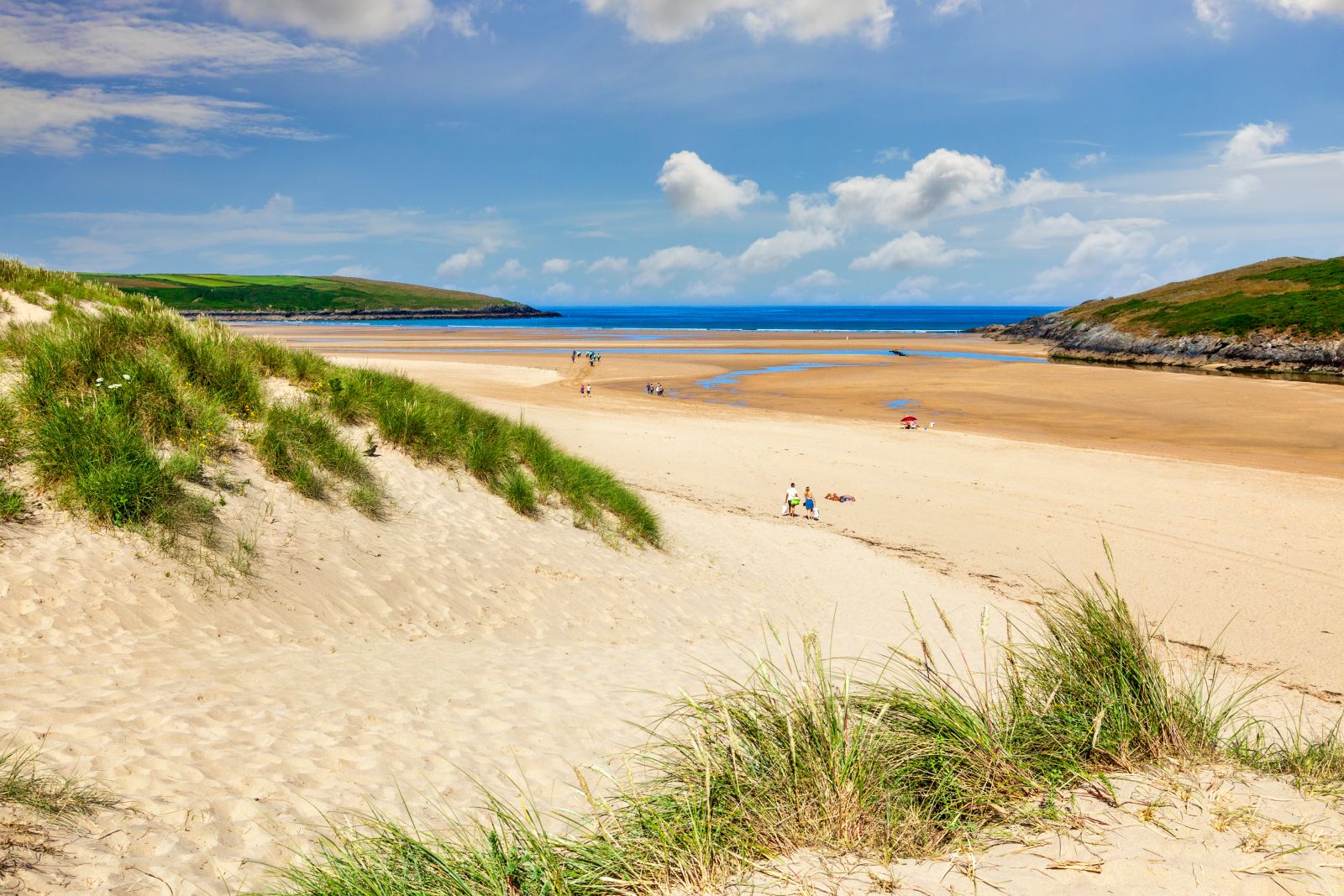 Crantock